
Some clothes seem to stay beautiful for years, while others lose their shape, softness, or color surprisingly quickly. At first, it is easy to blame the fabric, the brand, or the price. Sometimes quality really is the problem. But very often, clothes age faster because of what happens after we bring them home.
The way we wash, dry, store, wear, and even organize our wardrobe can quietly shorten the life of our favorite pieces.
The good news is that keeping clothes looking better for longer does not require complicated routines. In many cases, a few small changes can make a noticeable difference.
Your Clothes May Not Be Low Quality — They May Be Treated Wrong
When a sweater starts pilling, a T-shirt loses its shape, or dark jeans begin to fade, the first reaction is often: “This was poor quality.”
That can be true. But clothing is exposed to constant stress: movement, friction, moisture, washing, drying, heat, sunlight, deodorant, perfume, and pressure inside a crowded closet.
Even well-made garments can deteriorate quickly when they are treated harshly.
Before replacing something, it is worth asking a different question:
Could I be caring for this piece in a way that is making it age faster?
That simple shift in thinking can change the way you manage your entire wardrobe.
Washing Too Often Can Wear Clothes Out Faster
Not every garment needs to be washed after a single wear.
Underwear, socks, workout clothing, and items exposed to heavy perspiration are obvious exceptions. But jackets, trousers, jeans, knitwear, and certain outer layers may often be worn several times before they genuinely need washing.
Every wash creates movement and friction. Fibers rub against each other and against other clothes inside the machine. Over time, this can contribute to fading, stretching, pilling, and loss of softness.
Instead of washing automatically, check the garment first.
Does it actually smell?
Is there a stain?
Was it worn directly against the skin?
Could airing it out be enough?
Sometimes hanging a garment in a well-ventilated space for a few hours can refresh it without putting it through another wash cycle.
Heat Can Quietly Shorten the Life of Fabric
High temperatures can be convenient, but they are not always kind to clothing.
Very hot water and aggressive drying can affect certain fibers, elastic components, prints, and fabric finishes. Clothes may shrink, become rougher, lose shape, or simply look older sooner.
This does not mean everything should always be washed cold. The safest approach is much simpler:
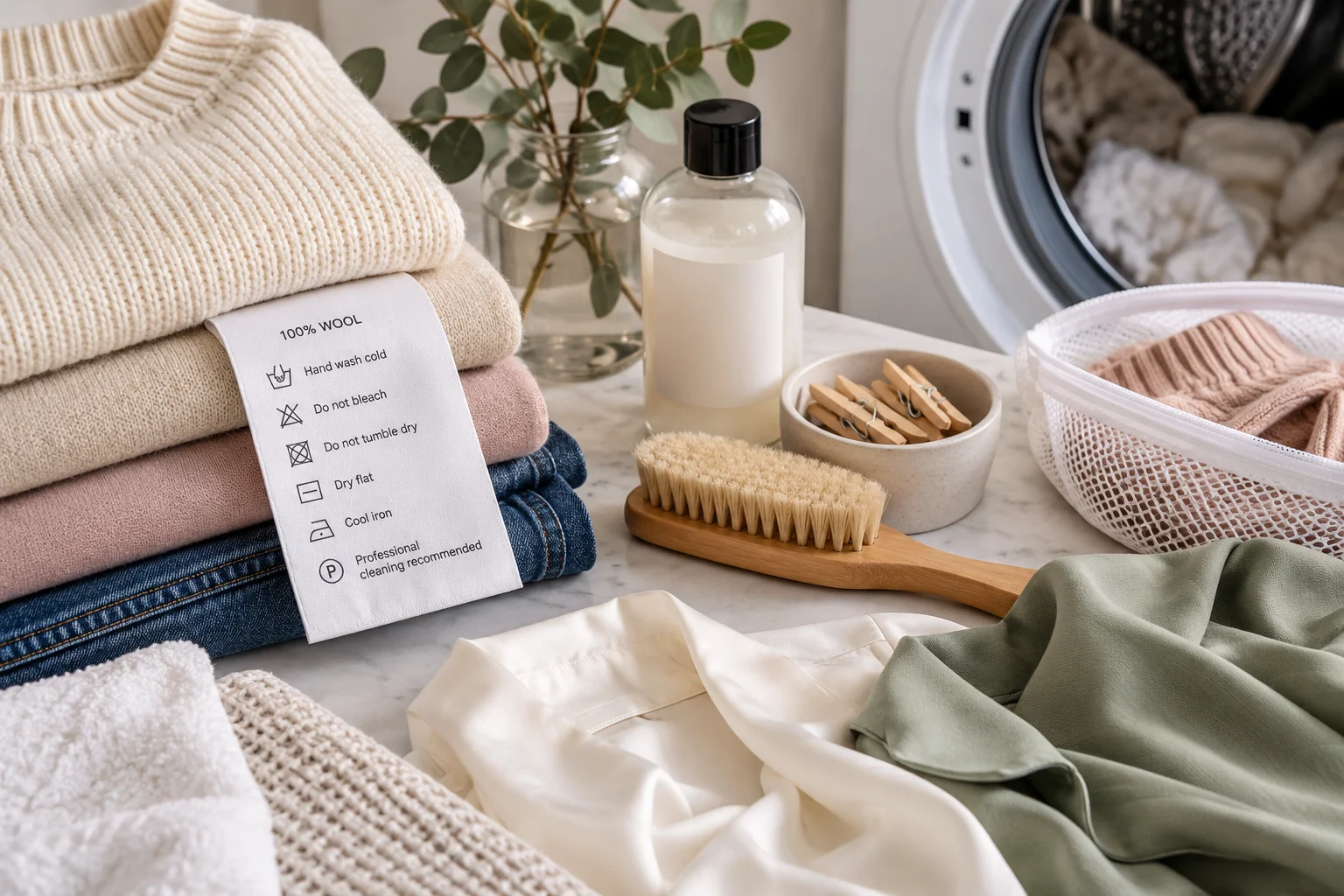
Follow the care label.
Those small symbols inside a garment are there for a reason. They tell you the temperature, drying method, ironing limits, and other care instructions recommended for that particular item.
Ignoring them may save a few minutes today but shorten the useful life of the garment tomorrow.
The Dryer Is Convenient — But Not Always Gentle
A tumble dryer can be extremely useful, especially when time is limited. But repeated heat and movement can be hard on some clothes.
Elastic waistbands, delicate knits, printed T-shirts, lightweight fabrics, and certain blends may benefit from gentler drying methods.
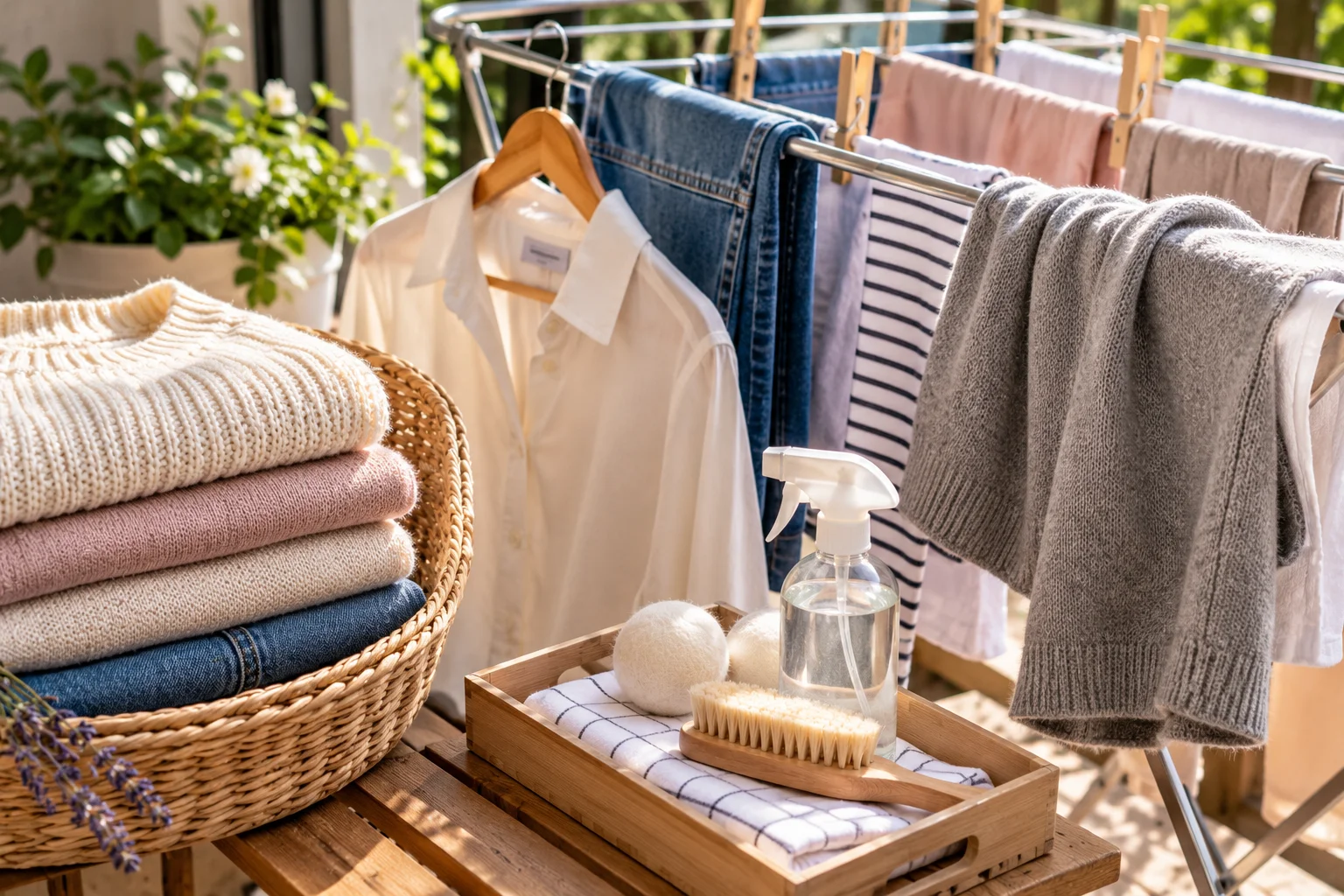
Air-drying is not practical for every household or every garment, but using it selectively can help.
For example, you might use the dryer for towels and durable basics while allowing more delicate pieces to dry naturally.
The goal is not to make laundry difficult. It is simply to avoid using the most aggressive method for every single item.
The Wrong Hanger Can Change the Shape of Your Clothes
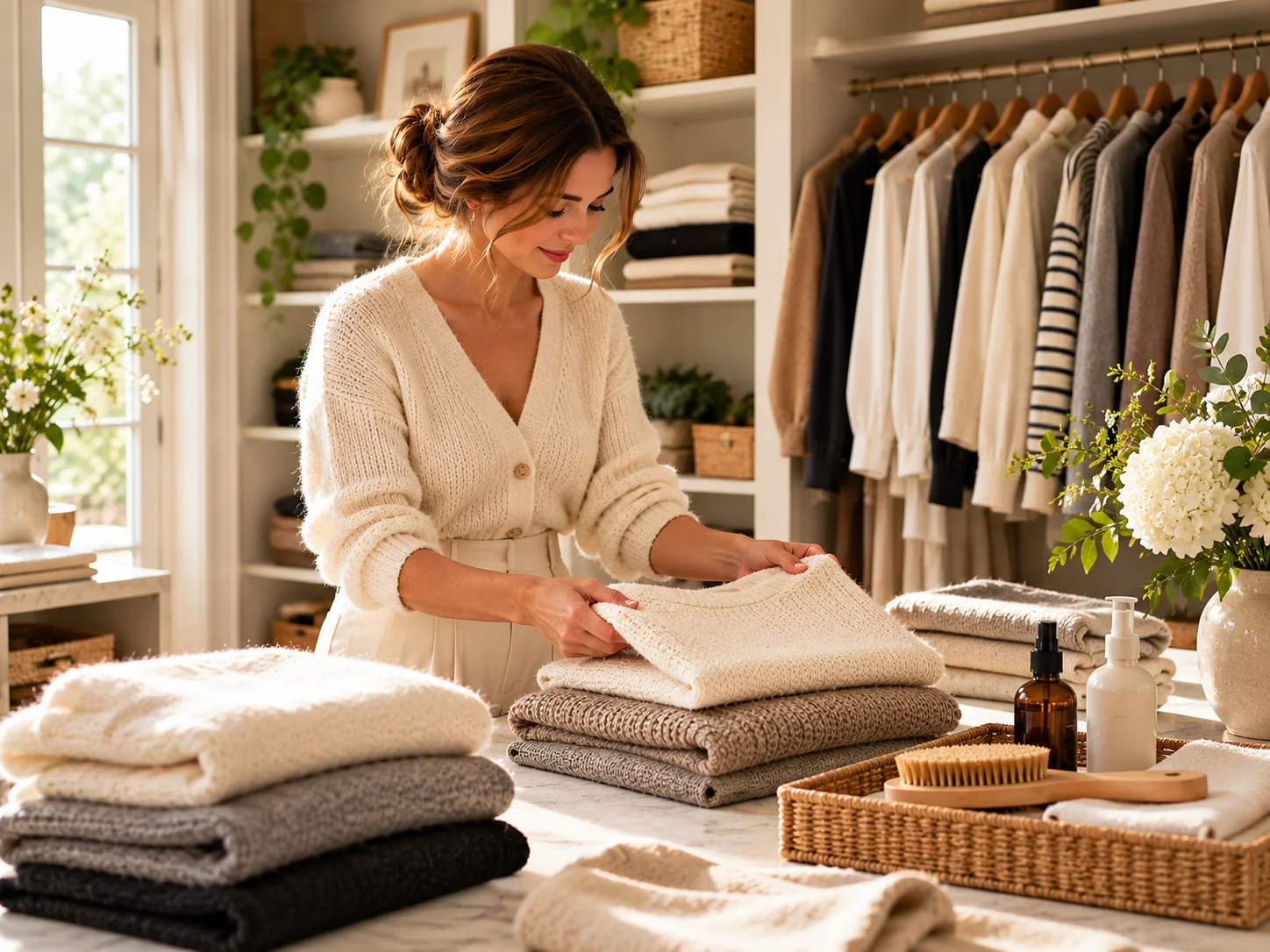
Hangers seem harmless, but the wrong one can slowly distort a garment.
Heavy knitwear is a classic example. When a thick sweater hangs for long periods, gravity can stretch the fabric, especially around the shoulders.
Some garments are better folded.
Structured jackets, coats, shirts, and many dresses, on the other hand, usually benefit from supportive hangers that help preserve their shape.
Very thin wire hangers may create pressure points, while hangers that are too wide can push the shoulders of a garment outward.
A small storage detail can make a surprisingly large difference.
Friction Is One of the Biggest Causes of Visible Wear
Clothes do not only wear out in the washing machine. They also wear out while you are wearing them.
Think about where friction happens most often:
- under the arms,
- between the thighs,
- along the sides of trousers,
- under handbag straps,
- beneath backpack straps,
- around cuffs,
- near seat belts,
- where jackets rub against other layers.
This is one reason pilling often appears in very specific areas instead of across the entire garment.
You cannot eliminate friction completely, nor should you try. Clothes are meant to be worn.
But being aware of it can help. For example, repeatedly carrying a heavy textured bag against the same delicate coat may create visible wear much faster than expected.
Overfilled Closets Are Hard on Clothes
A tightly packed wardrobe may seem efficient, but clothes need space.
When garments are compressed together, they wrinkle more easily, become harder to see, and may be pulled or stretched when you try to remove them.
Crowded storage can also make it difficult to remember what you own. That often leads to unnecessary purchases while perfectly good clothes remain hidden at the back of the closet.
Giving your wardrobe some breathing room helps in two ways:
It protects your clothes, and it makes your wardrobe easier to use.
Sometimes removing a few pieces you no longer wear can improve the condition of everything that remains.
Small Repairs Can Prevent Bigger Damage
A loose button, tiny tear, broken seam, or small snag can look insignificant.
But small problems often become larger when ignored.
A button that is almost detached may eventually tear the fabric. A small seam opening may widen after another wash. A loose thread can continue unraveling.
Simple maintenance does not require advanced sewing skills.
Keeping a few basic items at home — a needle, thread, spare buttons, and small scissors — can help you deal with minor problems before they become permanent.
Professional tailoring is also worth considering for pieces you truly love.
Repairing a favorite jacket or pair of trousers can often make more sense than replacing them.
Stains Should Be Treated Carefully — Not Aggressively
When something spills on a favorite shirt, the instinct is often to scrub immediately and as hard as possible.
That can sometimes make the situation worse.
Aggressive rubbing may push a stain deeper into the fabric, damage the surface, or create a lighter patch.
Different stains and different fabrics require different treatment.
The safest first step is usually to check the care instructions and avoid experimenting with strong products on delicate materials.
When in doubt, a professional cleaner may be the better choice, especially for expensive, structured, or difficult-to-replace garments.
Perfume, Deodorant and Beauty Products Can Affect Clothing
Clothing comes into contact with far more than detergent.
Perfume, body lotion, deodorant, makeup, hair products, and self-tanner can all transfer onto fabric.
Over time, these products may contribute to discoloration, residue, or staining, particularly around collars, cuffs, and underarm areas.
One simple habit is to allow skincare, deodorant, and fragrance a little time to dry before getting dressed.
It takes almost no effort, but it may help prevent some of the marks that make clothes look worn prematurely.
Dark Clothes Need a Little Extra Attention
Black jeans, navy trousers, dark dresses, and deep-colored T-shirts often show fading more obviously than pale garments.
Turning dark clothes inside out before washing can reduce some of the surface friction during the cycle.
Washing similar colors together and following the garment’s temperature instructions can also help preserve appearance.
Again, the goal is not perfection.
Every garment will eventually show signs of wear. That is normal.
The aim is simply to slow unnecessary damage.
Delicate Fabrics Should Not Be Treated Like Everyday Basics
One of the most common wardrobe-care mistakes is washing everything the same way.
A cotton T-shirt, wool sweater, silk blouse, sports top, and structured jacket have very different needs.
Some tolerate regular machine washing well. Others need a gentle cycle, hand washing, professional cleaning, or special drying.
The easiest rule is this:
Treat the most delicate garment in the load as the priority.
If you are unsure, separate it.
A few extra minutes before washing can save you from discovering later that your favorite piece no longer fits or feels the same.
Rotating Your Wardrobe Helps Clothes Recover
Wearing the same trousers, shoes, blazer, or sweater every day puts constant stress on the same materials.
Rotation gives garments time to rest, air out, and regain shape.
This is particularly useful for shoes, knitwear, jackets, and other pieces that absorb moisture or temporarily change shape during wear.
Interestingly, a smaller wardrobe does not have to mean wearing the exact same item every day.
A well-planned rotation of a few reliable pieces can still reduce wear while keeping your style consistent.
Seasonal Storage Deserves More Attention
When seasons change, many people simply push last season’s clothes into boxes and forget about them.
But storage conditions matter.
Before storing clothes for several months, make sure they are clean and completely dry. Stains and moisture can become harder to deal with later.
Use containers and storage methods suitable for the fabric, and avoid leaving delicate garments compressed for long periods.
When the season returns, your clothes should feel ready to wear — not like they survived several months of neglect.
Caring for Clothes Can Change the Way You Shop
One unexpected benefit of better clothing care is that it often changes shopping habits.
When you start noticing construction, fabric, washing instructions, stitching, and how easily something can be maintained, you naturally become more selective.
You may begin asking:
Will I actually care for this properly?
Does this fabric suit my lifestyle?
Can I wear it often?
Will it work with what I already own?
These questions are more useful than asking only whether something looks exciting in the fitting room.
A wardrobe becomes stronger when every purchase has a realistic place in your life.
A Better Wardrobe Is Not Always a Bigger Wardrobe
Fashion often encourages us to focus on what is new.
New collection.
New trend.
New season.
New purchase.
But style is not only about acquiring things.
It is also about taking care of what you already chose.
A shirt that still looks good after years, a coat that keeps its shape, or trousers that remain comfortable season after season can be more valuable than a wardrobe full of forgotten impulse purchases.
Caring for clothes does not have to become an obsession.
It is simply a collection of small habits: washing only when necessary, using appropriate temperatures, storing garments properly, repairing small damage, and treating fabrics according to their needs.
None of these habits is dramatic.
But together, they can help your wardrobe look better, function better, and last considerably longer.
And perhaps that is one of the most practical forms of personal style: not constantly replacing what you own, but learning how to make the right pieces stay with you.